
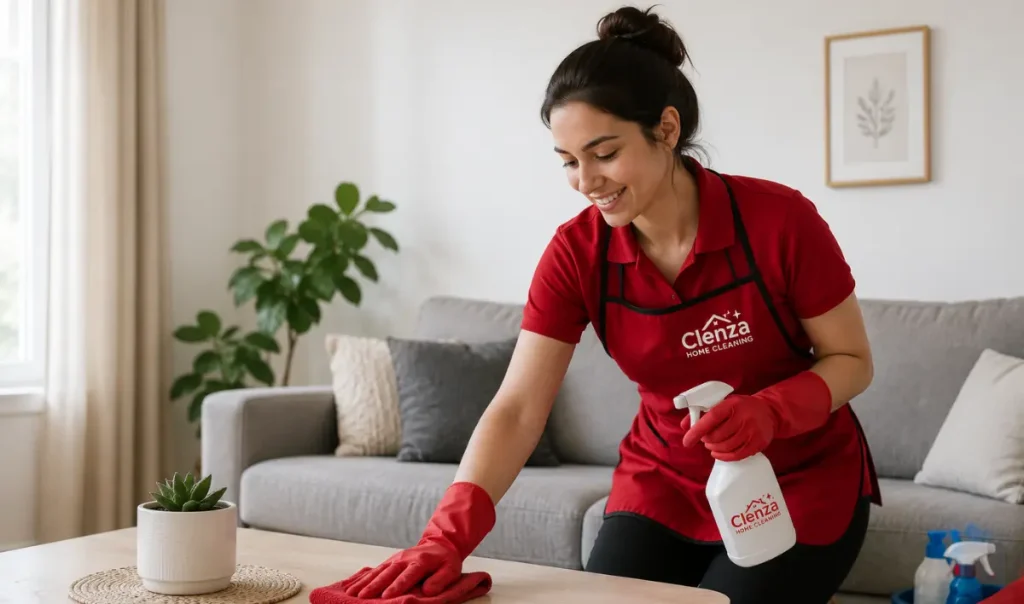
How often should you get your house professionally cleaned depends mainly on your household size, pets, allergies, and how much daily mess your home sees. Most homeowners in Guelph find that a biweekly schedule strikes the right balance between cost and cleanliness, while larger or busier households often need weekly service, and smaller, low traffic homes can get by with a monthly deep clean. There is no single correct answer, but there is a correct answer for your specific home, and this guide walks through exactly how to find it.
What Actually Determines Your Cleaning Frequency
Before picking a schedule, it helps to understand what drives dirt and mess accumulation in the first place. Cleaning frequency is not about a fixed rule everyone should follow. It is about matching service to the realistic pace at which your home gets dirty again.
Household Size and Daily Activity
A single person working from home generates far less mess than a family of five with a dog and two kids in school. More people using kitchens, bathrooms, and living spaces means faster buildup of dust, crumbs, and grime, which naturally shortens the ideal gap between cleanings. As a rough guide, each additional person or pet in a household tends to shift the ideal frequency one notch tighter, so a home that would suit monthly service for one person often suits biweekly service for a family of four.
It also matters whether household members work from home or are away most of the day. A home occupied for twelve hours a day accumulates dust, crumbs, and general wear far faster than one that sits empty during work hours, even with the same number of occupants. Two households of identical size can reasonably need very different schedules once this factor is accounted for.
Pets in the Home
Pets shed fur, track in dirt, and contribute to allergens that settle into carpets and upholstery quickly. Homes with cats or dogs typically need cleaning at least every two weeks to keep pet dander and hair from building up between visits, even if the household is small. Multiple pets, or pets that spend time outdoors and track in mud and debris, often push a household toward weekly service regardless of how few people live there.

Flooring, Carpeting, and Home Layout
The materials in your home change how quickly dirt becomes visible and how much it affects air quality. Carpeted homes hold onto dust, pet dander, and allergens far longer than homes with hardwood or tile, which means carpeted spaces generally benefit from a shorter interval between cleanings. Open concept layouts also spread dust and cooking residue across a wider area more quickly than homes with separated, closed off rooms, which is worth factoring in alongside household size and pets.
Allergies and Respiratory Sensitivity
If anyone in your home has asthma or seasonal allergies, frequency matters more than most people realize. The American Lung Association notes that regular vacuuming with a HEPA filtered vacuum, done weekly, is one of the most effective ways to reduce dust mite allergens in a home. That single detail is often the deciding factor for families choosing between biweekly and weekly service.
Lifestyle and Guest Frequency
Homes that regularly host guests, run a home business, or double as a workspace tend to need more frequent attention simply because more people pass through more often. If your home is also where clients or extended family visit regularly, a tighter cleaning schedule protects your first impression as much as your health.
Weekly Cleaning: Who It Is Actually For
Weekly cleaning is the most intensive recurring option, and it is not necessary for every household, but it is the right call for a specific set of situations. Families with young children who create daily messes in kitchens and bathrooms benefit enormously from a weekly reset. So do households with multiple pets, since fur and dander accumulate faster than most people expect.
Weekly service also suits homeowners who simply do not have time during the week to manage basic upkeep, whether due to long work hours, frequent travel, or caring for elderly family members. In these cases, weekly cleaning is less about luxury and more about keeping the home functional. Regular Home Cleaning service page
The tradeoff is straightforward. Weekly service costs more over a month than biweekly or monthly options, since you are paying for four visits instead of two or one. For households that genuinely generate weekly mess, though, the cost per visit tends to be lower because less time is spent catching up on buildup, and more time is spent on light maintenance.
Weekly cleaning also tends to suit anyone recovering from surgery or illness, managing a chronic health condition, or caring for a newborn, since these situations often make even light housework difficult to keep up with. In these cases the value of weekly service is less about appearance and more about maintaining a genuinely sanitary, manageable home during a period when energy and time are limited.
Biweekly Cleaning The Most Common Choice
Biweekly cleaning, meaning once every two weeks, is the schedule most Guelph households eventually settle on, and for good reason. It offers a workable middle ground between cost and cleanliness for homes without heavy daily mess but with enough activity that a full month between visits would let dust, grime, and clutter get out of hand.
This frequency works well for couples, small families, and professionals who keep a reasonably tidy home between visits but do not have the time or inclination to deep clean every week themselves. Bathrooms and kitchens, the two rooms that show dirt fastest, stay manageable on a two week cycle without becoming a health or hygiene concern.
Biweekly cleaning is also the frequency most cleaning companies, including Clenza, build their standard recurring packages around, which usually means better per visit pricing than one time or occasional bookings. If you are unsure where to start, biweekly is the safest default before adjusting up or down based on how your home actually holds up between visits.
There is also a psychological benefit worth mentioning. A two week cycle is short enough that a home rarely falls into visible disorder but long enough that homeowners are not constantly scheduling around a cleaning visit. For households juggling work, school schedules, and general life admin, that predictability is part of why biweekly service becomes a long term habit rather than something people cancel after a few months.

Monthly or One Time Deep Cleaning When It Makes Sense
Monthly cleaning suits homes with low daily traffic, such as single occupants, retirees, or couples without children or pets who maintain their own light tidying between visits. In these cases, a full month between professional visits is enough to keep the home in solid shape, especially when paired with occasional self cleaning of high use areas like the kitchen counter and bathroom sink.
One time or occasional deep cleaning serves a different purpose entirely. It is not a maintenance schedule, it is a reset. This is the right choice before hosting a major event, after recovering from illness, before or after a move, or simply when a home has gone unmanaged for a while and needs a thorough baseline before starting a lighter recurring schedule. : Deep Cleaning vs Regular Cleaning: What’s the Difference?
It is worth being honest about the limits of monthly service. If your household generates more mess than a monthly visit can reasonably handle, stretching the schedule to save money often backfires. Grime that sits for a full month becomes harder to remove, which can mean longer, more expensive visits later, rather than genuine savings.
Bathrooms are usually the clearest test case. Soap scum, mineral buildup around faucets, and grout discoloration all become noticeably harder to remove once they have had a full month to set in, compared to two weeks. If bathroom upkeep is a specific concern in your home, that alone is often a good reason to lean toward biweekly rather than monthly service, even if every other factor points toward a longer interval.
Matching Frequency to Your Guelph Lifestyle
The clearest way to choose is to think through a typical week in your home rather than guessing at a schedule. Ask how many people and pets use the space daily, how quickly your kitchen and bathroom show visible dirt, and whether anyone in the home has allergy or respiratory sensitivities that make dust and allergen buildup a real concern rather than a cosmetic one.
Budget matters too, and it is fair to weigh it honestly. Weekly service costs more monthly than biweekly, and biweekly costs more than monthly, but the real comparison is not the price of the visit. It is the price of the visit against the time, effort, and stress you would otherwise spend keeping the home at the standard you want. For a full breakdown of what different service levels typically cost in the area, House Cleaning Cost in Guelph A Complete Price Guide is a beneficial next resource to examine.
Many households in neighbourhoods like Clairfields, Kortright Hills, and the University District start with biweekly service, then adjust after the first two or three visits once they have a real sense of how quickly their home gets dirty again. That adjustment period is normal, and a good cleaning company will let you shift frequency without penalty once you know what actually fits.
Common Mistakes Homeowners Make When Choosing a Schedule
The most common mistake is choosing frequency based on budget alone rather than how the home actually behaves. Booking monthly cleaning for a busy household with kids and pets often means every visit turns into a deep clean at deep clean pricing, which erases the savings that made monthly service appealing in the first place.
Another frequent error is assuming cleaning needs stay fixed. A household that needed only monthly service as a couple may need biweekly service once a child or a pet joins the home. Reassessing frequency every six months or after a major life change keeps the schedule aligned with reality instead of a decision made once and never revisited.
Some homeowners also confuse frequency with thoroughness, assuming that a weekly service must be lighter than a monthly one to fit the shorter time gap. In practice, professional cleaners adjust the scope of each visit to match what the home actually needs, so a weekly visit focuses on maintenance while a monthly visit typically covers more ground per session.
Finally, many people wait too long to book a first deep clean before starting a recurring schedule. Starting recurring service on top of months of built up grime means early visits cost more time and money than they should. A single deep clean first, followed by a lighter recurring schedule, is almost always more efficient. How to Deep Clean a Bathroom: A Complete Easy Guide

Signs You Need to Change Your Cleaning Frequency
A few practical signals suggest your current schedule is not matching your home anymore. If the kitchen or bathroom looks noticeably dirty again within a few days of a visit, your gap between cleanings is too long for how the space is actually used. If a cleaner consistently needs extra time to catch up on the same buildup every visit, that is a sign the frequency, not the cleaning quality, is the problem.
On the other end, if a home still looks essentially clean when the next scheduled visit arrives, that can be a sign the household is paying for more frequency than it needs, and stretching the interval could save money without any real drop in cleanliness. Tracking this over two or three visits, rather than reacting to a single unusually busy or quiet week, gives a much more reliable picture.
Seasonal shifts also matter. Homes in Guelph tend to accumulate more dust and outdoor debris during spring and fall, which can justify temporarily increasing frequency, then scaling back once the season settles.
Life changes are the other major trigger for reassessing frequency. A new pet, a child starting to crawl and explore every corner of the home, a family member moving in, or a shift to working from home full time can all change how quickly a house gets dirty, even if nothing about the home itself has changed. Treating your cleaning schedule as something to revisit occasionally, rather than a decision made once and forgotten, keeps both the cost and the cleanliness of your home aligned with how you actually live in it.
Comparing the Real Cost of Each Frequency
Homeowners often compare cleaning frequencies by looking only at the price of a single visit, which gives a misleading picture. A more useful comparison looks at total monthly spending alongside the actual condition of the home between visits.
Weekly cleaning means four visits a month, each relatively quick since buildup never has time to accumulate. Biweekly cleaning means two visits a month, each somewhat longer than a weekly visit but still focused mainly on maintenance. Monthly cleaning means a single, longer visit that often functions closer to a deep clean every time, since a full month of use has passed since the last appointment.
When compared this way, the gap between weekly and biweekly total cost is often smaller than expected, because each individual weekly visit is shorter and therefore less expensive. The gap between biweekly and monthly can also be smaller than the sticker price suggests, since monthly visits frequently take longer per session. For an exact breakdown of current rates by service type walks through the full pricing structure in detail.
The right way to use this comparison is not to chase the lowest monthly total, but to identify the frequency where the cost and the condition of your home both land somewhere you are comfortable with. A slightly higher monthly spend that means never walking into a genuinely dirty kitchen is, for most households, worth more than the savings from stretching the schedule too far.

Frequently Asked Questions
How often should a house be professionally cleaned if I have pets?
Homes with pets generally benefit from cleaning at least every two weeks, since fur, dander, and tracked in dirt build up faster than in pet free households. Families with multiple pets or pets that shed heavily sometimes find weekly service more manageable.
Is biweekly cleaning enough for a family with kids?
For most families with school age children, biweekly cleaning is sufficient, particularly if some light daily tidying happens between visits. Families with toddlers or multiple young children often prefer weekly service until the daily mess settles down.
Does a smaller home need less frequent cleaning than a larger one?
Size matters less than usage. A small apartment used heavily by two working professionals can need cleaning as often as a larger home with less daily activity. Traffic and habits matter more than square footage when deciding on frequency.
Can I switch cleaning frequency after I start a recurring service?
Yes, most cleaning companies, including Clenza, allow you to adjust frequency once you have a clearer sense of how your home holds up between visits. It is common and expected to shift from monthly to biweekly, or the reverse, after the first few appointments.
Is it cheaper to book monthly cleaning instead of biweekly?
Monthly cleaning costs less per month in total, but each visit tends to take longer and cost more individually because more grime has built up. For busy households, biweekly service often works out to be similar in total cost while keeping the home consistently cleaner.
Should I book a deep clean before starting recurring service?
If it has been more than a few months since your home had a thorough professional cleaning, starting with a one time deep clean is usually a smart move. It gives your recurring service, whether weekly, biweekly, or monthly, a genuinely clean baseline to maintain, rather than asking the first few regular visits to catch up on months of buildup.