

Why Deep Cleaning Your Bathroom Matters
The bathroom is one of the most frequently used rooms in a home, yet it is often overlooked when it comes to thorough cleaning. A quick wipe of the sink or a spray inside the toilet bowl may seem enough during a busy week, but over time, soap scum, grime, fungi, mildew, bacteria, and hard water deposits build up in places that routine cleaning cannot reach.
Knowing how to deep clean a bathroom is about more than making it look spotless. It is about creating a healthier and more hygienic environment. Because bathrooms are warm and humid, they provide ideal conditions for bacteria and fungi to grow. If left untreated, these can contribute to unpleasant odours, surface damage, respiratory problems, and skin irritation.
Whether you are carrying out seasonal household deep cleaning, preparing your home for guests, or simply maintaining a healthier living space, the bathroom should always be a priority. It is one area where cleanliness has a direct impact on your comfort and well-being.
This guide walks you through every part of the bathroom, from the toilet and sink to the ceiling corners, helping you clean every surface thoroughly without missing any important details.
How Often Should You Deep Clean Your Bathroom?
Before getting started, it is important to understand the difference between regular cleaning and deep cleaning.
Regular cleaning includes:
Wiping down surfaces
Cleaning the toilet bowl
Rinsing the sink
Mopping the floor
These tasks should be completed every week.
Deep cleaning involves cleaning every corner, behind fixtures, underneath items, and treating areas that are usually overlooked. This should be done at least once a month, or every two weeks if the bathroom receives heavy daily use.
Recommended Bathroom Cleaning Schedule
| Task | Recommended Frequency |
| Wipe sink and countertop | Daily or every other day |
| Clean toilet bowl | Weekly |
| Wipe shower walls | Weekly |
| Scrub grout and tiles | Monthly |
| Clean inside cabinets. | Monthly |
| Wash shower curtain | Monthly |
| Complete deep clean | Monthly or every two months |
If your household includes children, pets, or multiple family members, consider scheduling home deep cleaning more frequently to maintain a healthier environment.

Tools and Supplies You Need Before You Start
Having everything prepared before you begin makes the cleaning process faster and more efficient.
Cleaning Tools
Toilet brush
Grout brush or an old toothbrush
Microfiber cloths
Non-scratch scrub sponge
Squeegee
Mop and bucket
Long-handled scrub brush
Spray bottles
Rubber gloves
Face mask (optional)
Cleaning Products
All-purpose bathroom cleaner
Toilet bowl cleaner
Glass cleaner
Grout cleaner or bleach-based spray
Baking soda
White vinegar
Dish soap
Mildew and mildew remover
Disinfectant spray
Optional Supplies
Steam cleaner
Magic eraser sponge
Essential oils for a fresh scent
Hydrogen peroxide
Pro Tip: If you prefer an eco-friendly cleaning routine, a mixture of white vinegar, baking soda, and dish soap is effective for most bathroom cleaning tasks without relying on harsh chemicals.

How to Deep Clean a Bathroom: Step-by-Step Guide
Declutter and Remove Everything
Before you begin scrubbing, remove everything from the bathroom, including:
Shampoo bottles
Conditioner bottles
Soap containers
Toothbrushes and toothpaste
Countertop accessories
Towels and hand towels
Bath mats and rugs
Items stored inside cabinets
Items stored under the sink
Decorative items such as candles or plants
Removing everything gives you full access to every surface and makes cleaning much easier.
This is also a great opportunity to throw away expired products, empty bottles, and anything you no longer use. Keeping the space clutter-free makes future cleaning much easier.
Place all removed items in a clean area outside the bathroom. Before returning them, wipe each bottle and container to remove dust, soap residue, or water spots.
Dust and Sweep First
Always remove dust before using water or cleaning solutions. Otherwise, dust and hair will turn into muddy residue that is harder to clean.
Follow these steps:
Dust walls, light fixtures, vents, and the tops of cabinets using a dry microfiber cloth or duster.
Check ceiling corners and remove any cobwebs with a long-handled duster or broom.
Wipe the exhaust fan cover to remove accumulated dust and improve airflow.
Sweep the floor thoroughly to remove hair, dust, and loose debris before mopping.
If your bathroom has wall or ceiling vents, use a vacuum attachment or compressed air to remove built-up dust for better air quality.
Deep Clean the Toilet
The toilet is often the most challenging part of a bathroom deep clean, but following a systematic approach makes the job much easier.
Clean Inside the Toilet Bowl
Apply toilet bowl cleaner generously under the rim.
Allow the cleaner to sit for 10 to 15 minutes.
While it works, begin cleaning the outside of the toilet.
Return and scrub the entire bowl thoroughly with a toilet brush, paying close attention to the area beneath the rim where bacteria tend to collect.
Flush the toilet to rinse away the cleaner.
Clean the Outside of the Toilet
Spray all exterior surfaces with a disinfectant or all-purpose cleaner.
Wipe the tank, lid, seat, both sides of the seat, the base, and the surrounding floor.
Use an old toothbrush or a small cleaning brush to clean around the hinges and bolts.
Dry every surface with a clean microfiber cloth to prevent water spots and streaks.
Areas That Are Commonly Missed
Flush handle or push button
The gap between the toilet seat and bowl
The back of the toilet tank
The floor directly behind the toilet
Around the toilet base
Cleaning these overlooked areas helps eliminate hidden bacteria and keeps the bathroom truly hygienic.
Deep Clean the Sink and faucets.
Bathroom sinks quickly collect toothpaste residue, soap scum, and hard water stains. Cleaning them properly restores their shine and improves hygiene.
Follow These Steps
Sprinkle baking soda into the sink basin.
Add a small amount of dish soap.
Scrub the surface using a non-scratch sponge with circular motions.
Pay extra attention to the drain opening.
Rinse thoroughly with warm water.
Clean the Faucets
Spray white vinegar over the faucet.
Let it sit for about five minutes to dissolve mineral deposits.
Scrub around the base, handles, and joints using an old toothbrush.
Dry the faucet completely with a microfiber cloth.
Clean the Drain
Pour baking soda into the drain.
Add white vinegar.
Allow the mixture to fizz for about 10 minutes.
Flush the drain with hot water.
If the drain remains slow, use a drain cleaning tool or drain snake to remove trapped hair and debris.
For chrome or stainless-steel faucets, apply a small amount of baby oil with a soft cloth after cleaning. This enhances the shine and helps reduce future water spots.
Deep Clean the Bathtub and Shower
Cleaning the bathtub and shower usually requires the most time, but it also makes the biggest visual difference.
Cleaning the Bathtub
Apply a bathroom cleaner or a paste made from baking soda and dish soap across the entire tub.
Let it sit for 10 to 15 minutes.
Scrub thoroughly using a non scratch sponge or scrub brush.
Focus on the drain area and where the tub meets the wall.
Rinse completely with clean water.
Cleaning the Shower
Spray all shower walls with bathroom cleaner or a solution made from equal parts white vinegar and water.
Let the solution sit for at least 10 minutes.
Scrub the walls using a sponge or long-handled brush.
Use an old toothbrush to clean corners and around fixtures.
Clean the showerhead by filling a plastic bag with white vinegar, securing it around the showerhead with a rubber band, and leaving it for 30 minutes to one hour.
Remove the bag and rinse everything thoroughly.
Cleaning Glass Shower Doors
Spray the glass with glass cleaner or a vinegar solution.
Use a squeegee from top to bottom.
Dry with a microfiber cloth.
For stubborn soap scum, apply a baking soda paste, allow it to sit for several minutes, then scrub gently before rinsing.
Clean the Tiles and Grout
Grout absorbs moisture and dirt, making it one of the most common places for normal mould and mildew to develop. Cleaning it thoroughly can dramatically improve the appearance of your bathroom.
Cleaning Grout
Mix baking soda and water to create a thick paste. For tougher stains, use hydrogen peroxide instead of water.
Apply the paste directly onto the grout lines.
Scrub using an old toothbrush or grout brush.
For moulding, spray a diluted bleach solution made with one part bleach and ten parts water.
Allow it to sit for about 10 minutes.
Scrub thoroughly.
Rinse the entire area with clean water.
Cleaning Bathroom Tiles
Spray all tiles with an all-purpose bathroom cleaner.
Wipe using a damp microfiber cloth or sponge.
For stubborn soap scum, use a magic eraser sponge.
Rinse the tiles with clean water.
Dry them completely to prevent streaks and water marks.
Safety Tip
Never mix bleach with vinegar or ammonia-based cleaners. Combining these chemicals produces dangerous fumes. Always use one product at a time and rinse surfaces thoroughly before applying another cleaner.
Clean Bathroom Mirrors and Glass
Mirrors and glass surfaces often develop streaks if they are not cleaned properly. Using the right technique helps achieve a clear, spotless finish.
Follow These Steps
Spray the mirror with glass cleaner or a solution made from equal parts white vinegar and water.
Wipe using a microfiber cloth in an “S” pattern rather than circular motions.
Check the mirror from different angles under good lighting to ensure no streaks remain.
Remove stubborn toothpaste spots or marks by applying a small amount of rubbing alcohol to a cotton ball before cleaning the entire surface.
Don’t forget to clean the mirror frame and edges, as moisture and dust often collect in these areas.
Scrub the Floors
Once every other surface has been cleaned, finish by thoroughly cleaning the bathroom floor.
Follow These Steps
Sweep or vacuum the floor one more time to remove any dust or debris that fell during cleaning.
Fill a bucket with warm water and add your preferred floor cleaner or a mixture of dish soap and white vinegar.
Mop the floor, working from the farthest corner toward the door.
Scrub the grout lines using a stiff brush or grout brush if you have tiled flooring.
Pay special attention to corners, behind the door, and around the toilet base where dirt commonly collects.
Rinse the floor with clean water if necessary.
Allow the floor to dry completely before walking on it.
For textured tile flooring, a steam cleaner can remove embedded dirt effectively without damaging the surface.
Clean Bathroom Cabinets and Drawers
Bathroom storage areas often collect dust, spills, and expired products. Cleaning them during every deep clean helps keep the space organized and hygienic.
Follow These Steps
Remove everything from the cabinets and drawers.
Wipe all interior surfaces using an all-purpose cleaner and a damp cloth.
Dispose of expired products, unused toiletries, and old medications according to local disposal guidelines.
Clean the exterior surfaces, including cabinet doors, handles, and knobs.
Allow everything to dry completely before returning the contents.
Adding shelf liner inside drawers and cabinets can make future cleaning easier while protecting the surfaces.
Wash Towels, Bath Mats, and Shower Curtains
These items absorb moisture every day, making them ideal places for bacteria, mildew, and unpleasant smells to develop if they are not cleaned regularly.
Bath Mats
Most fabric bath mats can be machine washed using warm water.
Check the care label before washing rubber-backed mats.
Air dry or tumble dry on a low heat setting.
Towels
Wash towels in hot water to help eliminate bacteria.
Avoid overloading the washing machine to ensure a thorough clean.
Add one cup of white vinegar during the wash cycle to remove musty scents and improve freshness.
Shower Curtains
Most fabric and plastic shower curtains are machine washable.
Wash them with a couple of old towels to help remove mildew and soap residue.
Use warm water with a gentle detergent or bleach for white curtains if appropriate.
Hang the curtain while it is still slightly damp so wrinkles naturally fall out as it dries.
Shower Curtain Rings and Hooks
Soak them in hot water mixed with white vinegar for 15 to 20 minutes.
Rinse thoroughly.
Dry completely before reinstalling.
Final Touches and Ventilation
The final details bring the entire bathroom together and help keep it fresh for longer.
Complete the Following Tasks
Place clean towels back on the towel rack.
Replace the bath mat with a freshly washed one.
Wipe all bottles and containers before returning them to the shower or countertop.
Replace or refresh any air fresheners.
Turn on the exhaust fan and open a window, if possible, to remove excess moisture and improve ventilation.
Perform one final inspection under bright lighting to ensure every surface is clean and streak-free.

Common Bathroom Deep Cleaning Mistakes to Avoid
Avoiding these common mistakes will improve your results and help protect your bathroom surfaces.
Not allowing cleaning products enough time to work. Most cleaners need 5 to 15 minutes of contact time before wiping.
Using abrasive scrubbers on delicate materials such as glass, chrome, or acrylic, which can leave permanent scratches.
Forgetting high-touch surfaces like light switches, door handles, and towel bars.
Mixing cleaning chemicals such as bleach with vinegar or ammonia, which creates dangerous fumes.
Ignoring the exhaust fan, allowing dust to spread and reducing air quality.
Leaving surfaces wet after cleaning, which encourages fungus and mildew to return more quickly.
Natural vs. Chemical Cleaners: Which Is Better?
When deep cleaning your bathroom, choosing between natural and chemical cleaners depends on the type of dirt, stains, and level of disinfection you need. Both options have advantages and are most effective when used appropriately.
Natural Cleaners
Advantages
Safer for households with children and pets
Gentle on skin and respiratory health
Environmentally friendly
Budget-friendly and easy to find
Limitations
May require more scrubbing
Less effective on heavy mouldings and stubborn stains
Usually takes longer to produce results
Chemical Cleaners
Advantages
Works faster on tough stains
Highly effective for disinfecting surfaces
Removes stubborn, mildew, and hard water buildup more easily
Limitations
Can irritate the skin and respiratory system if used incorrectly
Produces strong fumes
Has a greater environmental impact than natural alternatives
Best Practice
Use natural cleaners such as baking soda and white vinegar for routine maintenance and light cleaning. Reserve stronger chemical cleaners for heavy-duty jobs like mould removal, grout restoration, or severe hard water stains.
Maintaining a Clean Bathroom Between Deep Cleans
A few simple habits can keep your bathroom cleaner for longer and reduce the amount of work required during your next deep clean.
Daily and Weekly Maintenance Tips
Use a squeegee on shower walls after every use to prevent soap scum.
Keep a spray bottle of diluted white vinegar in the bathroom for quick touch-ups.
Wipe the sink daily after brushing your teeth.
Keep a toilet brush nearby for quick cleaning between deep cleans.
Use an air freshener or diffuser to help control moisture and odours.
Run the exhaust fan during and for at least 10 to 15 minutes after every shower.
Hang towels properly so they dry completely.
Spend five minutes every few days putting items back in place and removing clutter.
These small habits make future deep cleaning sessions much faster and easier.
When to Hire Professional Deep Cleaning Services
Although regular maintenance can be handled at home, there are situations where hiring professional cleaners is the better option.
Consider Professional Cleaning When
Moving into a new home
Moving out of a property
Cleaning after renovations or construction work
Dealing with heavy microbial growth
Managing allergies or respiratory concerns
You have a busy schedule and limited time
You want scheduled monthly or quarterly maintenance
Professional cleaners use commercial-grade equipment, specialized cleaning products, and proven techniques to achieve results that are difficult to match with standard household tools.
When choosing a cleaning company, read customer reviews, confirm that the business is insured, and ask about the cleaning products they use, especially if you prefer eco-friendly solutions or have allergy concerns.
Frequently Asked Questions
How Long Does It Take to Deep Clean a Bathroom?
For an average-sized bathroom, a thorough deep clean typically takes between 2 and 4 hours, depending on the level of dirt, the size of the space, and whether you are cleaning alone. Professional cleaners usually complete the job more quickly because they use commercial equipment and efficient cleaning techniques.
What Is the Best Homemade Bathroom Cleaner?
A simple and effective homemade bathroom cleaner can be made by mixing:
1 cup of white vinegar
1 cup of water
A few drops of dish soap
Pour the mixture into a spray bottle and use it on sinks, countertops, shower walls, and other bathroom surfaces. For stubborn stains, make a paste using baking soda and a small amount of dish soap.
How Do I Remove Mould from Bathroom Grout Naturally?
Apply a paste made from baking soda and hydrogen peroxide to the affected grout lines. Scrub gently with an old toothbrush, allow the mixture to sit for about 15 minutes, then rinse thoroughly.
If the mould growth is severe or keeps returning, a diluted bleach solution may be necessary. Always ensure the room is well ventilated and follow the manufacturer’s safety instructions.
Is It Safe to Use Bleach in the Bathroom?
Yes, bleach is safe when used correctly.
Dilute bleach with water at a ratio of 1 part bleach to 10 parts water.
Keep the bathroom well ventilated while cleaning.
Never mix bleach with vinegar, ammonia, or any other cleaning chemicals, as this can create dangerous fumes.
How Can I Prevent Mildew in the Shower?
To reduce mildew growth:
Run the exhaust fan during and after every shower.
Use a squeegee to remove water from shower walls.
Spray surfaces regularly with a diluted vinegar solution.
Replace shower curtains when they become difficult to clean or begin showing signs of mould.
What Is Included in a Professional Bathroom Deep Cleaning Service?
Most professional bathroom deep cleaning services include the following:
Cleaning and disinfecting the toilet
Scrubbing the sink and faucets
Cleaning the bathtub and shower
Washing tile and grout
Cleaning mirrors and glass
Wiping cabinets and countertops
Mopping and disinfecting floors
Some companies also clean shower curtains, organize bathroom surfaces, and perform additional detailing based on the selected service package.
How Often Should You Deep Clean Your Bathroom?
For most households, a complete bathroom deep clean should be performed at least once a month.
If your bathroom is used by several people or experiences heavy daily use, deep cleaning every two weeks is recommended to prevent the buildup of soap scum, mould, bacteria, and hard water stains.

Final Thoughts
Learning how to deep clean a bathroom is a valuable skill that helps create a healthier, cleaner, and more comfortable home. By following a structured process from decluttering and dusting to cleaning the toilet, sink, shower, tiles, mirrors, floors, and cabinets, you can achieve professional-quality results without overlooking important areas.
Consistency is the key to maintaining a fresh and hygienic bathroom. Simple habits such as wiping down surfaces, running the exhaust fan after showers, and cleaning small messes as they happen can significantly reduce the time and effort required during your next deep cleaning session.
If your bathroom requires more than routine maintenance or you simply do not have the time, hiring a professional deep cleaning service can be a practical solution. Professional cleaners have the experience, equipment, and products needed to restore your bathroom to a high standard of cleanliness.
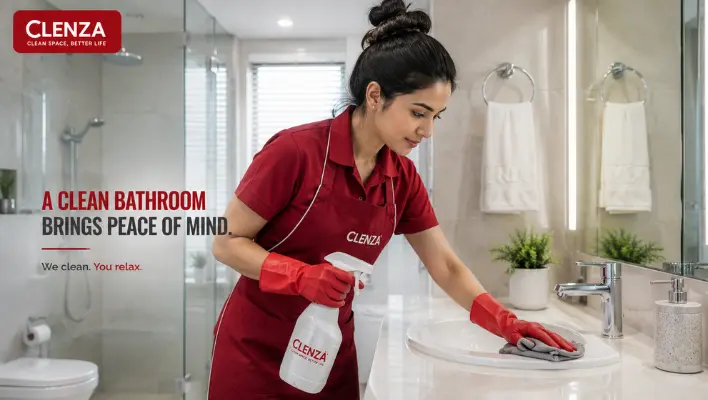
Set aside a few hours, gather the necessary supplies, and work through each step in this guide. With regular maintenance and proper deep cleaning, your bathroom will remain clean, fresh, and inviting throughout the year. CLenza Home Cleaning, Ontario, provides deep bathroom cleaning and guaranteed spotless results.
Share This Guide
If you found this guide helpful, consider sharing it with friends or family members who want to improve their bathroom cleaning routine. Small cleaning habits and the right techniques can make a noticeable difference in keeping any bathroom hygienic and easy to maintain.