

The same scene repeats itself across the Old University District, The Ward, and Exhibition Park. Boxes stack up on front porches, moving trucks double park on narrow streets, and hundreds of University of Guelph students try to pack an entire year of living into a single weekend before their lease ends. Cleaning is almost always the last thing on the list, and it is usually the task that costs students the most money when it gets rushed.
Guelph’s off campus rental market runs on a tight, predictable cycle. That timing compresses cleaning demand into a two week window twice a year, and it means thousands of tenants are trying to hand back a property, pass a landlord inspection, and recover a deposit all at the same time. This guide walks through exactly what that inspection looks like, what has to be cleaned, what typically costs students money, and when to start.
Why Guelph’s Student Rental Cycle Makes Move Out Cleaning Different
A move out clean in a family home and a move out clean in a student rental are not the same job. Family homes are cleaned by one household with continuity from year to year. Student rentals near the University of Guelph turn over completely, often with four to six unrelated tenants sharing a kitchen, bathrooms, and common areas for eight or twelve months.
The Lease Timing Problem
Off campus housing in Guelph is built around the academic calendar. When every tenant in a neighbourhood has the same move out date, cleaning services, moving companies, and landlords all face demand spikes in the same short window. Booking a professional clean during the last week of April is genuinely harder than booking one in February, simply because so many other students in Clairfields, Old University District, and the streets around The Ward are trying to do the same thing.
Shared Responsibility Creates Blind Spots
In a shared student house, nobody technically owns the kitchen, the bathroom, or the living room. That ambiguity is exactly where deposit deductions come from. A landlord doing a final inspection does not care who was responsible for the oven or the shower grout. They care whether the unit matches the condition it was rented in, allowing for normal wear and tear. Roommates who split cleaning duties unevenly, or who assume someone else already handled the kitchen, are the most common reason an otherwise tidy looking house still loses part of its deposit.

What Landlords Are Actually Allowed to Check
Ontario’s Residential Tenancies Act governs what a landlord can deduct from a deposit, and the standard is narrower than most first time renters assume.
Normal Wear and Tear Versus Damage
Under Ontario tenancy law, a landlord cannot charge a tenant for reasonable wear and tear that happens through ordinary use over the length of a tenancy. Faded paint, worn carpet in high traffic areas, and small nail holes from hanging posters generally fall under normal wear and tear. What is not protected is dirt, grease buildup, mould, damaged fixtures, or leftover garbage. This is the single most important distinction for a student tenant to understand before move out day, because it draws the line between what you are cleaning for your own comfort and what you are cleaning to avoid a legitimate deduction.
What a Typical Inspection Covers
Most landlord inspections in Guelph’s rental market follow a consistent pattern: kitchen appliances inside and out, bathroom fixtures and grout, floors and baseboards throughout, walls for marks or damage, and confirmation that all personal belongings and garbage have been removed. Landlords with multiple student properties in the University District often inspect several units back to back during the same week, so an inspection that finds an unfinished job rarely gets a second visit before the deposit decision is made. Getting it right the first time matters more in a student rental than almost any other type of tenancy.
The Room by Room Student Move Out Cleaning Checklist
This is the order most professional cleaners actually work in, and it is worth following even if you are doing the clean yourself.
Kitchen
The kitchen is the room landlords scrutinize hardest, because grease and buildup accumulate faster here than anywhere else in a shared house. A proper move out clean includes wiping down all cabinet interiors and exteriors, degreasing the stovetop and the area behind it, cleaning inside the oven, pulling out the refrigerator to clean behind and underneath it, wiping every shelf and drawer inside the fridge, scrubbing the sink and faucet, and wiping down the backsplash and countertops completely. If the unit has a dishwasher, the interior, door seal, and filter need attention as well, since food residue left behind is one of the most common inspection flags. Small appliances left behind, such as a microwave or kettle that belongs to the unit rather than a departing tenant, should be wiped down and left in working, presentable condition, since anything visibly dirty during a walkthrough tends to draw attention to everything else in the room by association.
Bathroom
Bathrooms in older University District homes often have original tile and grout that shows buildup quickly. A full clean covers the toilet inside and out, including the base, the tub or shower, including grout and any soap scum, the sink and vanity, the mirror and the inside of any medicine cabinets. Mould around the shower or window frame is treated as damage rather than wear and tear in most inspections, so this is worth extra time if the bathroom has poor ventilation, which is common in older character homes near campus.
Bedrooms and Common Areas
Every bedroom should be left with floors vacuumed or mopped, closets emptied and wiped down, walls checked for marks or leftover adhesive from posters and command strips, and window tracks cleaned. In shared living rooms and hallways, baseboards, light fixtures, and any built in shelving need the same treatment. Vacuuming under furniture that is being left behind, if any, is a step that gets missed constantly.
Outdoor and Shared Spaces
Student rentals close to campus frequently include a porch, backyard, or shared entryway that falls under the tenant’s responsibility. The City of Guelph requires large items and bulky furniture to be booked separately for pickup rather than left at the curb without a scheduled collection, so anything you are not taking with you needs to be handled ahead of move out day, not on it.

Cleaning Older Character Homes Near Campus the Right Way
A large share of student rentals in the Old University District and the streets bordering The Ward are character homes built decades ago, with original hardwood floors, plaster walls, and older fixtures that newer builds elsewhere in Guelph do not have. These surfaces do not respond well to the harsh, generic products often grabbed at the last minute during a move out rush. Original hardwood reacts poorly to excess water and abrasive cleaners, which can leave streaking or dull the finish in a way that is difficult to reverse before an inspection. Plaster walls chip more easily than modern drywall when adhesive strips or tape is pulled off too quickly, so removing posters and Command hooks slowly and patching any resulting marks is worth the extra few minutes. A gentler, pH neutral approach paired with a bit more time on each surface tends to produce a better final result in these older properties than a fast, heavy handed clean, and it reduces the risk of accidentally creating new damage while trying to fix cosmetic wear.
How to Split Cleaning Duties Fairly Among Roommates
An uneven division of labour is one of the most common sources of tension during a student move out, and it is almost always avoidable with a bit of planning. The most effective approach is to divide the property by room rather than by task, so each tenant owns one space completely rather than everyone sharing responsibility for the kitchen and nobody actually finishing it. A short written list, even something as simple as a shared note or group chat message, assigning each bedroom, the kitchen, the bathroom, and common areas to a specific person removes the ambiguity that leads to last minute disputes. For houses where schedules genuinely do not align in the final week, whether because of exam timing or travel plans, pooling money for a single professional clean removes the coordination problem entirely and guarantees the work gets done to a consistent standard regardless of who is available on move out day itself.
Common Mistakes That Cost Students Their Deposit
The same handful of mistakes show up in nearly every deposit dispute involving a student rental. Leaving cleaning until the final day is the biggest one, since it forces rushed work on the areas that need the most time, like the oven and grout. Assuming a roommate has covered a shared space, rather than confirming it directly, is a close second. Forgetting to photograph the property after cleaning is a mistake with real financial consequences, because photos are the only evidence a tenant has if a landlord disputes the condition later. Leaving furniture or bulky items behind without arranging proper disposal, and underestimating how long a full house clean actually takes when split among several people with different schedules, round out the list.
DIY Cleaning Versus Hiring a Professional on a Student Budget
Cleaning a shared student house yourself is possible, but it typically takes a full group four to six hours of focused work to do properly, longer if the house has not had a deep clean during the year. For students juggling exams, packing, and moving logistics in the same seventy two hour window, that time is often the scarcest resource they have. A professional move out clean removes that time pressure and gives tenants a documented, done in one visit result that matches what a landlord is actually inspecting for. Splitting the cost of a professional clean across four or five roommates is often a smaller amount per person than a single missed deduction from a shared deposit, which makes it a reasonable trade even on a tight student budget, particularly during April and August when schedules are at their most compressed. There is also a practical scheduling argument in favour of hiring out at least the deep clean portions, such as the oven, fridge interior, and grout. These are the tasks that take the longest relative to how much they visibly improve day to day living, and they are also the exact items an inspection checklist tends to weight most heavily. Tenants who handle the everyday tidying themselves, packing, surface wiping, and general tidiness, and bring in a professional specifically for the deep clean portion often get the best result for the time and money involved, rather than treating it as an all or nothing decision.
When to Start A Realistic Move Out Timeline
Cleaning should not be a single day event, and treating it as one is where most of the stress around move out actually comes from. Three weeks before the lease ends is the right time to start thinking about booking a professional clean if one is planned, since this is before the sharpest part of the April and August demand spike hits. In the two weeks before the lease ends, pack and remove everything that is not part of the final clean, since an empty room is significantly faster and easier to clean than one with boxes still in it, and it also makes it much easier to spot any damage that needs to be addressed before the inspection rather than discovering it on the final day. In the final week, confirm the booking or divide rooms among roommates with clear ownership of each space, and begin the deep clean tasks that take the longest, such as the oven and any grout heavy areas, rather than leaving them for the last day. On the last one to two days, complete a final walkthrough, take dated photos of every room from multiple angles, and confirm keys and access arrangements with the landlord directly rather than assuming a roommate has already handled it. Waiting until move out morning to start any of this is the single most reliable way to run out of time, and it is the pattern behind almost every rushed, incomplete clean that ends up costing part of a deposit.
What Landlords Should Do Between Tenants
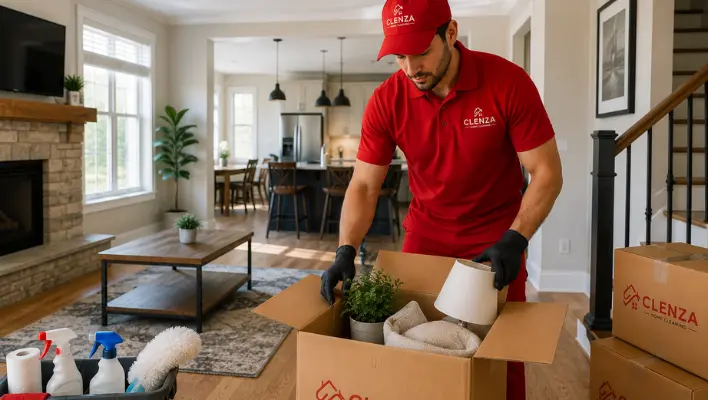
Student rental turnover is not only a tenant problem. Landlords managing properties in the University District face the same tight April and August windows, often with a new group of tenants moving in within days of the previous group moving out. A professional turnover clean between leases protects the property’s condition, gives a landlord a clean baseline to compare future move out inspections against, and reduces disputes over what counts as pre existing wear versus new damage. Landlords who schedule their turnover cleaning in advance, rather than reacting after a move out inspection reveals problems, consistently avoid the scheduling crunch that hits everyone else in the same two week window.
For landlords managing several student properties across the University District, batching the turnover cleaning for all units in a single booking window, rather than scheduling each property separately as tenants move out, tends to be more efficient and easier to plan around than treating every unit as its own last minute request. Since the majority of Guelph’s student leases turn over on the same one or two dates each year, this is one of the few areas of property management where the timing is fully predictable well in advance, and planning around it consistently beats reacting to it.
How Clenza Supports Move Out Cleaning in Guelph
Clenza provides move in and move out cleaning across Guelph, including the Old University District, Clairfields, and the neighbourhoods surrounding the University of Guelph campus. Because student move out demand concentrates so heavily around late April and late August, booking early in those windows is the difference between getting a convenient time slot and struggling to find availability at all. Every booking includes insured, background checked cleaners and eco friendly, pet friendly products, with pricing confirmed after a short consultation based on the size and condition of the property.
Frequently Asked Questions
Do landlords in Ontario have to give students their full deposit back if the unit is clean? Ontario technically restricts most residential deposits to last month’s rent rather than a separate damage deposit, though many student rentals still operate informally with additional deposits. A clean unit that shows only normal wear and tear gives a tenant the strongest possible position in any deposit conversation.
How far in advance should I book a move out cleaning service in Guelph during April or August?
Two to three weeks ahead is realistic. Demand spikes sharply in the final week of each semester as hundreds of University of Guelph leases end within days of each other.
What is the difference between a regular clean and a move out clean?
A regular clean maintains a lived in home. A move out clean is a deep, top to bottom service that includes inside appliances, cabinet interiors, baseboards, and areas that are not part of routine maintenance, since it is being measured against a landlord inspection standard rather than everyday tidiness.
Can I split a professional move out cleaning cost among roommates?
Yes, and it is the most common way student households handle it. Splitting a single booking across four or five tenants is usually far less expensive per person than losing part of a shared deposit over an incomplete clean.
Does a clean house guarantee a full deposit refund?
No cleaning service can guarantee a landlord’s decision, since inspections also cover damage beyond cleanliness. A properly cleaned unit does remove cleanliness as a reason for any deduction, which is the part of the process a tenant can actually control.
What should landlords do to prepare a Guelph student rental for new tenants?
Between leases, a full turnover clean covering appliances, floors, bathrooms, and any cosmetic touch ups gives incoming tenants a documented starting condition. This protects the landlord in any future deposit dispute and reduces the chance that new damage gets mistaken for preexisting wear.
Are eco friendly cleaning products safe to use in a shared student house?
Yes, and they are generally the better choice in shared housing, since multiple tenants may have allergies or sensitivities that are not known to every roommate. Pet friendly, non toxic products handle move out level cleaning effectively without introducing harsh fumes into a house that several people are still living in during the final cleaning days.
Final Word
Guelph’s student rental cycle is predictable every single year, which means the stress around it is largely avoidable with the right timeline. Whether you are a tenant trying to protect a deposit or a landlord managing turnover between leases, the properties that come out ahead are the ones that treat move out cleaning as a planned task rather than a last minute scramble. Contact Clenza to book a move out cleaning appointment before the next semester turnover window fills up.