
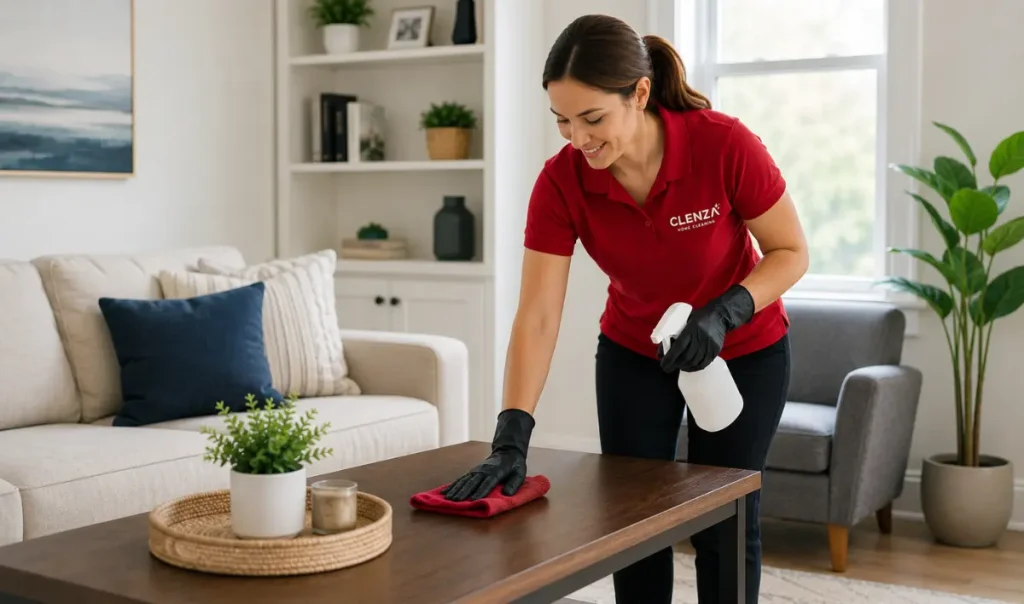
Between work, family, and everything else competing for attention each week, most homeowners do not have several hours to spend scrubbing every Saturday. The good news is that a genuinely clean home does not need that much time. What it needs is the right order of operations, a handful of techniques that actually work, and the ability to tell the difference between a shortcut that saves real time and one that just moves the mess to a different corner of the room. Most of the hacks below take no longer to learn than it takes to read this page, and none of them require specialty products or equipment beyond what most Guelph households already keep under the sink.
This guide covers the cleaning hacks that make the biggest difference in a typical Guelph home, from kitchens and bathrooms to the small daily habits that keep a house looking cared for between deeper cleans. Some of these tips reflect what the team at Clenza Home Cleaning sees while cleaning homes across Guelph every week. Others are simple adjustments any homeowner can start using today, with no special equipment required.
Start With an Order, Not a Room List
One of the biggest time wasters in home cleaning has nothing to do with the wrong products. It comes down to cleaning in the wrong order. Professional cleaners work top to bottom and back to front for a reason: dust and debris fall as you clean, so moving from ceiling fans and high shelves down to baseboards and floors means a surface never gets cleaned twice. Wipe a counter before sweeping the floor beneath it, and crumbs that land during wiping get swept up in the same pass instead of requiring a second trip later.
The same logic applies from room to room. Clean the spaces that generate the most mess, typically the kitchen and bathroom, while your energy and your cleaning solution are both still fresh. Save lower effort rooms like bedrooms and hallways for when momentum is starting to slow down.
Common Cleaning Mistakes That Waste Time
A few habits quietly add extra work to nearly every cleaning session. Spraying a cleaner and wiping immediately, rather than letting it sit, forces extra scrubbing that a short wait would have avoided. Using a dry cloth to dust simply relocates dust into the air, where much of it settles right back onto the same surface. Cleaning the visible parts of a room while skipping less obvious spots, like the tops of door frames or behind furniture legs, allows buildup that eventually needs a much bigger effort to remove. Recognizing these patterns is often more useful than learning a new product, since fixing the mistake saves time on every future clean, not just once.
Kitchen Hacks That Actually Save Time
Let products do the work before you scrub
Spraying a degreaser or all-purpose cleaner on a stovetop, backsplash, or the inside of a microwave and letting it sit for a few minutes before wiping does most of the work automatically. Scrubbing immediately after spraying means fighting grease that has not had time to break down yet. A two to five minute wait, timed while loading the dishwasher or wiping down counters, turns a hard scrub into an easy wipe.
Steam clean the microwave with what is already in the kitchen
Microwave a bowl of water with a splash of lemon juice or white vinegar for about three minutes, then leave it sitting for another two minutes with the door closed. The steam loosens baked-on splatters so they wipe away with a damp cloth instead of needing to be scraped off.
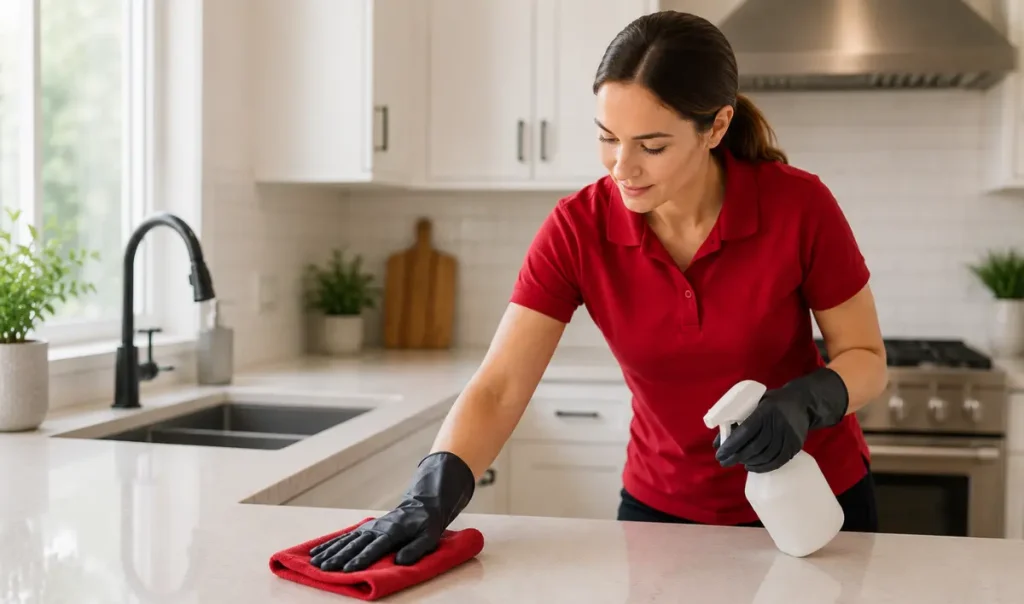
Wipe appliance fronts last, not first
Stainless steel and glossy appliance fronts pick up smudges from almost every other step of a kitchen clean. Save them for the very end of the routine, so a clean fridge door does not get smudged again while wiping down the counter beside it.
Rotate sponges and cutting boards on a fixed schedule
A kitchen sponge can hold onto bacteria within days of regular use, and a worn cutting board develops grooves that trap food residue even after washing. Replacing sponges weekly and cutting boards once they develop deep cuts keeps a kitchen genuinely clean, not just visibly clean.
Bathroom Hacks Worth Knowing in a Hard Water City
Guelph draws almost all of its water supply from groundwater wells, and that groundwater carries an unusually heavy mineral load. That is a big part of why hard water spots on faucets, shower glass, and mirrors are such a common complaint in local homes, more so than in cities that rely on softer surface water.
Cut through hard water spots with an acidic rinse
White vinegar, either applied directly or diluted with water, breaks down the mineral deposits that cause cloudy shower glass and spotted faucets. Apply it, give it a few minutes to work, then wipe or rinse clean. For heavier buildup, a paste made from baking soda and a small amount of water adds gentle abrasion without scratching most fixtures.
Squeegee the shower after every use
This is less a cleaning hack than a prevention hack. Thirty seconds with a squeegee after a shower stops water from drying directly on the glass, which is what leaves new mineral spots behind in the first place. It is one of the easiest ways to reduce how often a bathroom needs a deeper clean.
Clean the toilet base, not just the bowl
Most people clean inside the toilet bowl consistently but skip the base and the floor immediately around it, which is often where odour actually builds up. A quick wipe of the base and surrounding floor with a disinfectant during every regular clean prevents this from turning into a bigger job later.
Wash bath mats and towels more often than feels necessary
Damp bath mats and towels sit in a warm, humid bathroom for hours between uses, which makes them an easy place for mildew to develop. Washing mats weekly and towels every two to three uses keeps that smell from creeping into an otherwise clean bathroom.
Living Areas, Bedrooms, and Everyday Dust Control
Dust with a slightly damp microfiber cloth
Dry dusting mostly moves dust into the air, where it settles back down within the hour. A microfiber cloth, lightly dampened, picks up dust and holds onto it instead of scattering it around the room. This matters even more in homes with pets or anyone dealing with allergies.
Vacuum in two directions
Running a vacuum in a single direction only lifts debris lying in that direction. A second, perpendicular pass on carpeted areas picks up more embedded dirt without needing to slow down or repeat the same section multiple times.
Rotate cushions and throw blankets weekly
This small habit distributes wear evenly across furniture and creates a natural moment to check for spills, pet hair, or stains before they have a chance to set in.
Entryway and High Traffic Area Hacks
Trap dirt before it reaches the floor
A durable mat outside every entry point, paired with a second mat just inside the door, catches most of the dirt and grit that would otherwise get tracked through the house. This one habit meaningfully reduces how often floors and carpets near entryways need attention.
Keep a small caddy near the busiest entrance
A small basket or caddy with disinfecting wipes, a lint roller, and a spare cloth near the door people use most often makes it easy to wipe down shoes, bags, or a quick spill without a trip to another room. The more convenient a task is, the more likely it actually gets done.
Laundry Hacks That Keep Piles From Building Up
Laundry rarely feels like part of a home cleaning routine, but an overflowing hamper affects how clean a bedroom or bathroom looks even when everything else is tidy. Treating stains the moment they happen, rather than waiting for laundry day, prevents them from setting permanently into fabric. A small stain-removal stick or bar kept near the hamper makes this realistic instead of aspirational.
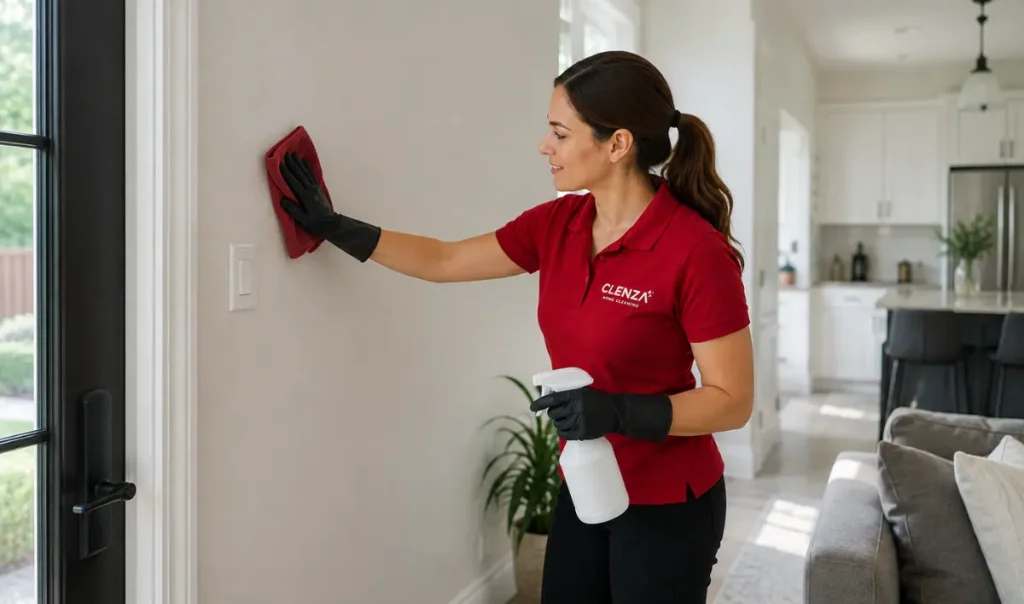
Running a smaller, more frequent laundry load also tends to save time overall compared to letting a hamper overflow before starting. Smaller loads wash and dry faster, and folding a smaller load right away is far less daunting than tackling several baskets at once. Wiping down the washer’s rubber seal and leaving the door open between loads also prevents the musty smell that damp, sealed washers commonly develop.
Tools Worth Keeping on Hand
A short, well-chosen supply list beats a cabinet full of single-purpose products that rarely get used. Microfiber cloths, a squeegee, a spray bottle for a diluted all-purpose cleaner, baking soda, and white vinegar cover the majority of cleaning tasks in an average home. Eco friendly, pet safe products are worth prioritizing in households with children, pets, or anyone managing allergies or asthma, since many conventional cleaners rely on strong fragrances and harsh chemicals that can trigger reactions. Buying a few good quality tools once, rather than replacing disposable versions repeatedly, also tends to work out cheaper over the course of a year.
What to Know Before You Mix Anything
Combining cleaning products to make a stronger solution is one of the most common cleaning mistakes, and it is also one of the most dangerous. Mixing bleach with ammonia-based cleaners or with acidic products like vinegar creates toxic gas that can cause serious breathing problems. This is not a rare or overstated warning. Guidance from the Government of Canada on using household chemicals safely advises that cleaning products should never be combined and should always be used and stored according to the instructions on their labels. If there is ever doubt about whether two products are safe to use in the same space, the safer choice is to use them separately, with good ventilation, and never at the same time.
Building Habits That Keep a Home Clean Between Deeper Cleans
Hacks handle the moment. Habits handle the month. A five minute reset each evening, wiping counters, putting dishes away, and doing a quick floor check, prevents small messes from turning into weekend-long projects. Homeowners who want a fuller breakdown of how to structure these daily and weekly habits can find more detail in our house cleaning routine guide, which walks through a realistic schedule for a busy household.
When a Hack Is Not Enough
Cleaning hacks are genuinely useful for staying on top of a home between bigger cleans, but they do have limits. Grout that has not been deep cleaned in years, upholstery with set-in stains, or a home that needs a full reset after a busy stretch are jobs where a do-it-yourself approach usually ends up costing more time than it saves. That is where a professional visit makes sense, whether that means a one-time deep clean to reset the baseline or a recurring schedule that keeps a home consistently maintained. Clenza’s full range of cleaning services covers everything from regular upkeep to deep cleaning for Guelph homes that need more than a weekend of hacks can realistically deliver.
Frequently Asked Questions
What is the fastest way to clean a house before guests arrive?
Work top to bottom, prioritize the kitchen and bathroom since they get the most scrutiny from guests, and save visible surfaces like counters and appliance fronts for last so they stay clean right up until people arrive.
Are natural cleaning hacks like vinegar and baking soda actually effective?
Yes, for many everyday jobs. Vinegar cuts through mineral buildup and light grease, and baking soda adds mild abrasion for scrubbing without scratching most surfaces. They are not a substitute for a proper disinfectant when killing germs matters, such as after an illness in the household.
How often should hard water spots be cleaned in a Guelph bathroom?
Because Guelph’s water is unusually hard, a quick vinegar wipe on faucets and glass once or twice a week prevents spots from building into a deeper mineral film that takes far more effort to remove later on.
Is it safe to combine cleaning products for a stronger clean?
No. Combining products, especially anything containing bleach with ammonia or acidic cleaners like vinegar, can create toxic fumes. Government of Canada guidance on household chemical safety recommends using products only as directed on their labels and never mixing them.
Do cleaning hacks work as well as a professional deep clean?
They are excellent for daily and weekly maintenance, but they are not a replacement for a professional deep clean. Grout, upholstery, and areas that go untouched for months build up residue that generally needs stronger equipment and products than what is practical to keep at home.
What is the single most effective cleaning hack for a busy household?
Building a fixed order of operations, top to bottom and highest-mess rooms first, tends to save more time than any individual product or trick, since it eliminates the backtracking and repeated passes that make cleaning feel longer than it actually needs to be.
A clean home does not come down to one trick or one product. It comes down to a consistent order, a handful of reliable techniques, and knowing when to bring in help for the jobs that genuinely need more than a hack. For Guelph homeowners who want that consistency without giving up a chunk of every weekend, regular home cleaning from Clenza keeps the bigger tasks handled, so these hacks only have to cover the small stuff in between.